 Twitter
  Copy Link
  Email
Email  Facebook
As summer rolls around, many of us welcome the warmth and longer days, but it also marks the season of increased insect activity. One common phenomenon that homeowners may find perplexing is the sudden appearance of flying ants within the confines of their homes. In this article, we delve into the various factors that contribute to the influx of flying ants indoors during the summer.

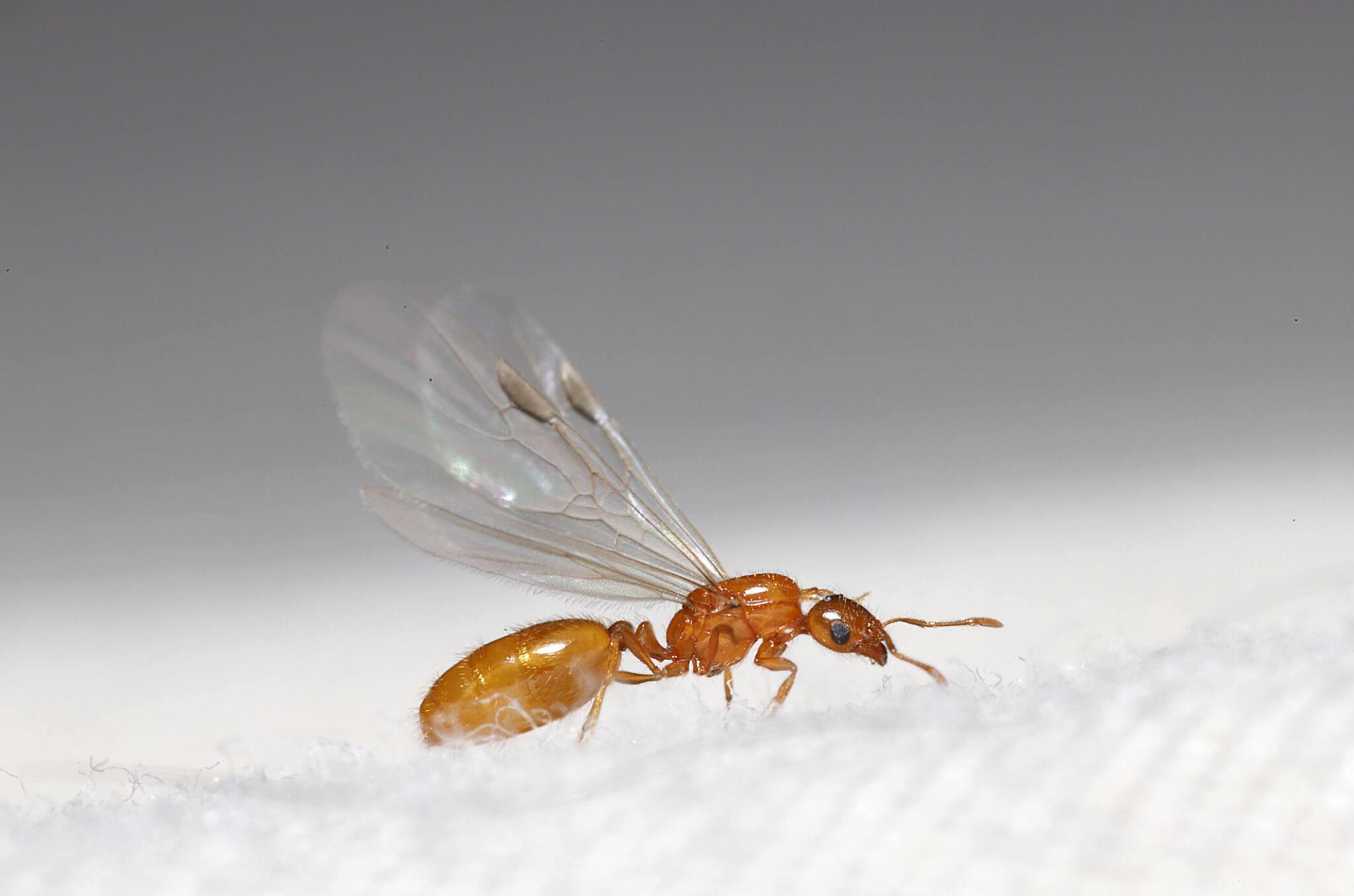
Before we explore the reasons behind flying ants invading your home, it's essential to grasp the life cycle of ants. Ant colonies typically consist of worker ants, winged reproductive ants (queens and males), and a queen responsible for laying eggs. When conditions are optimal, winged ants emerge from their colonies in a process known as the nuptial flight.
The nuptial flight is a crucial stage in the ant reproductive cycle, occurring when winged reproductive ants leave their nests to mate and establish new colonies. This phenomenon is most commonly observed during warm, humid summer days, making it a prime time for homeowners to encounter flying ants indoors.
One of the primary factors influencing the appearance of flying ants in your home is weather conditions. Warm, humid weather triggers the nuptial flight, prompting winged ants to venture out in search of a mate. The warmth and humidity of summer create ideal conditions for these ants to take flight, increasing the likelihood of their presence in and around your home.

Flying ants are not seeking to establish their colonies inside your home intentionally; rather, they are on a quest to find a suitable nesting site. Factors such as the presence of decaying wood, dampness, and other conducive environments attract these winged ants, leading them into homes in their search for an ideal spot to start a new colony.
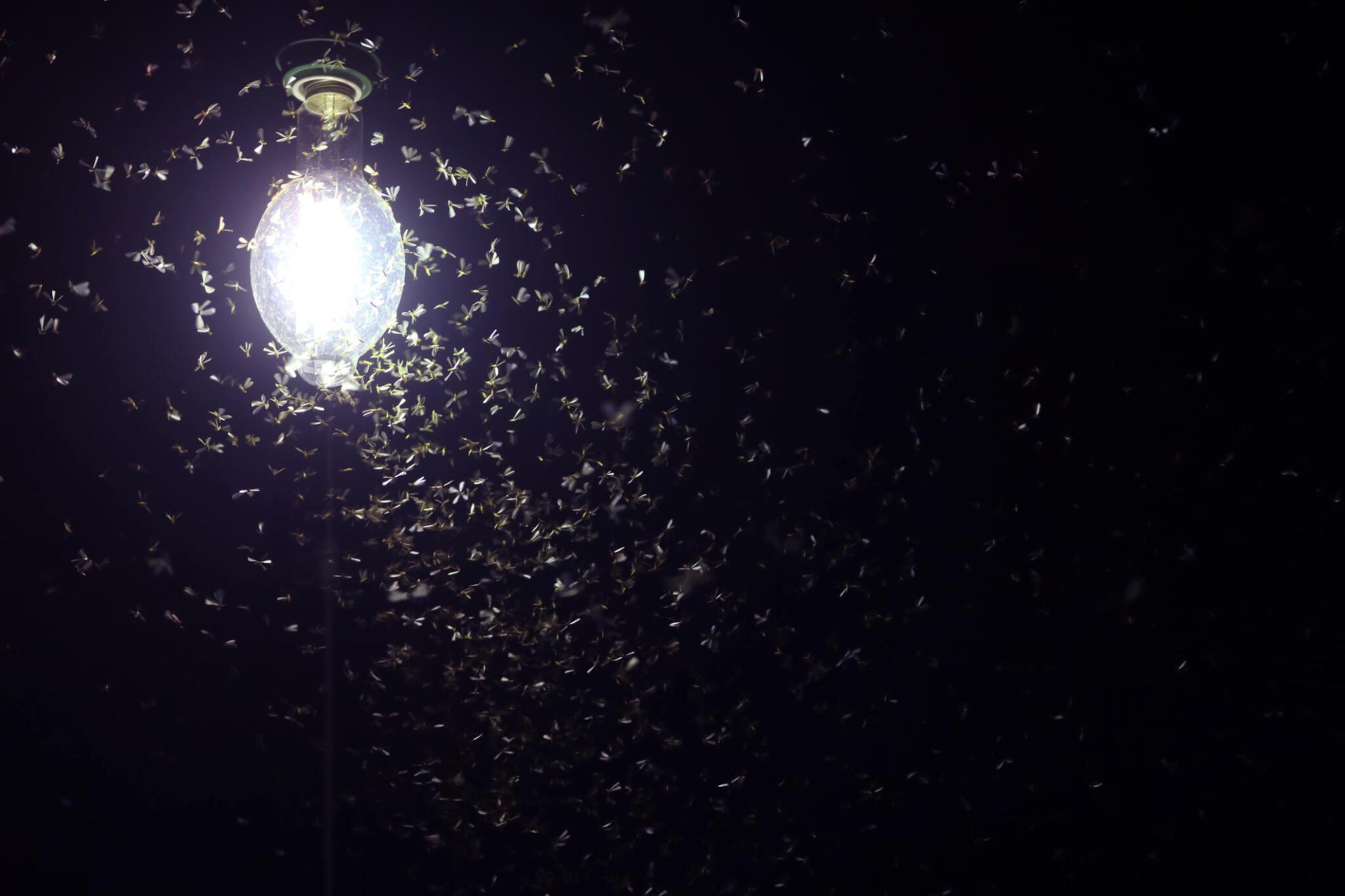
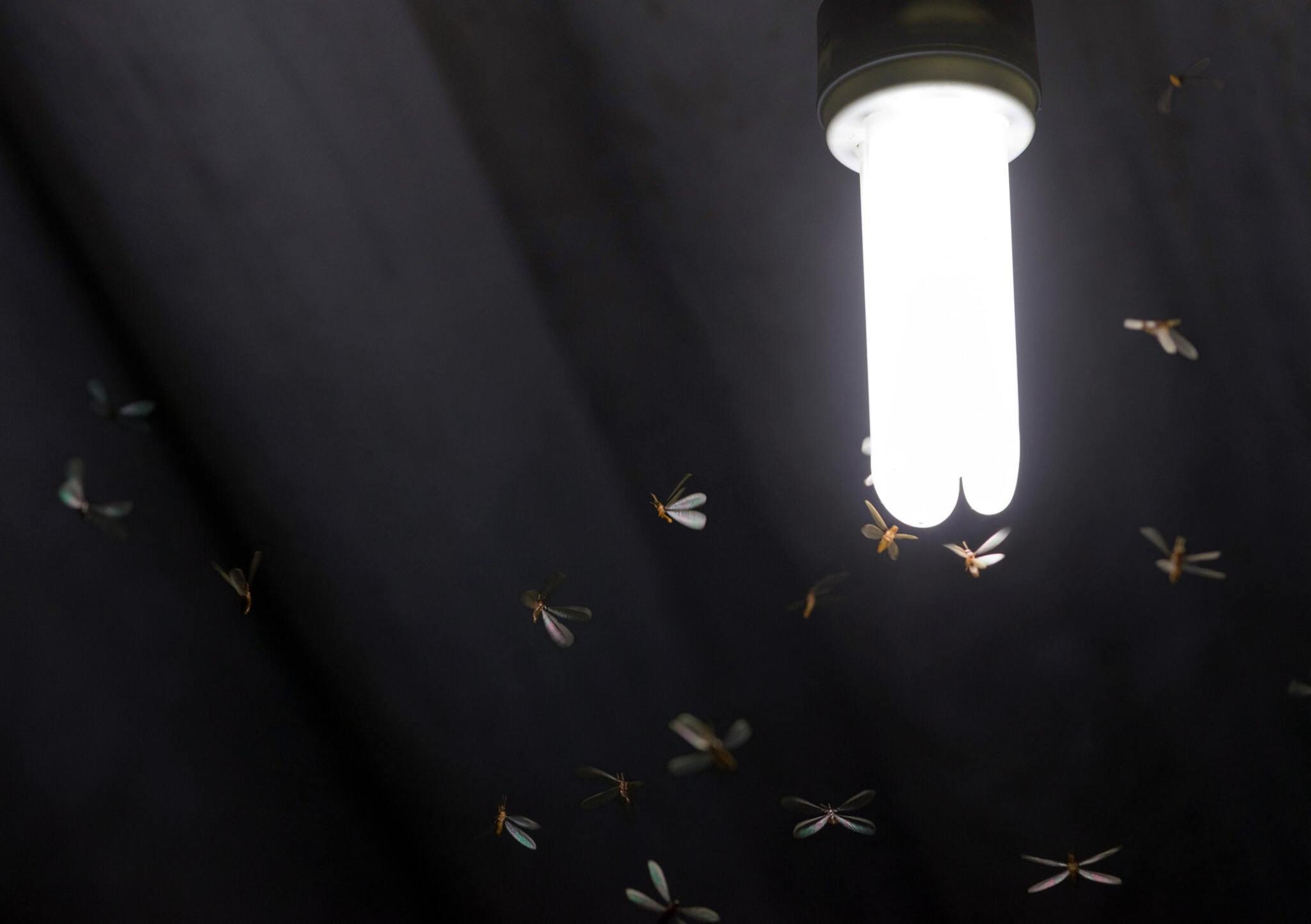
Flying ants are also drawn to light sources, and during the summer months, when days are longer, artificial lights inside homes can act as magnets for these insects. This phenomenon is particularly noticeable during the evening, as winged ants may swarm around light fixtures, windows, or doors.
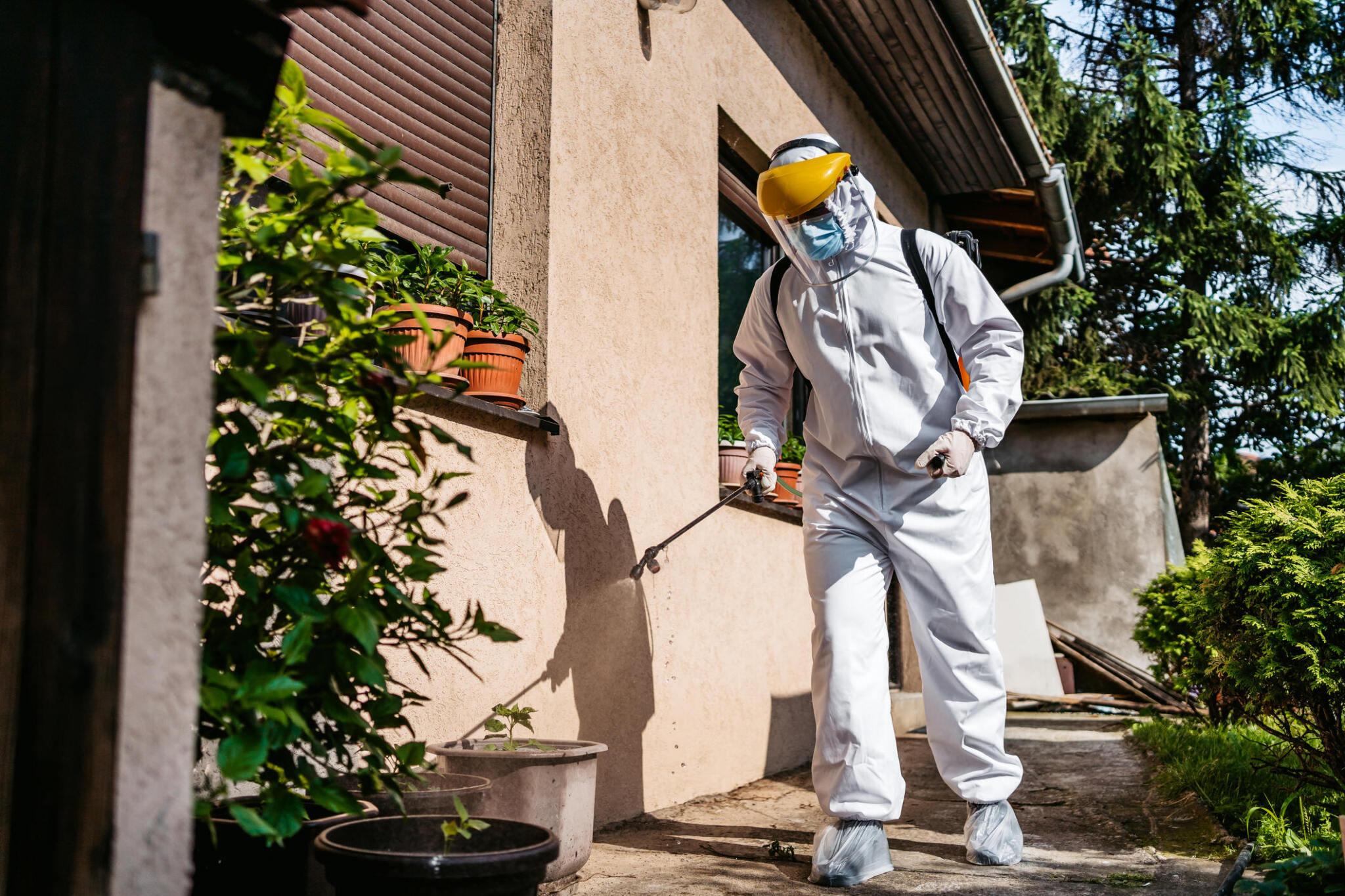
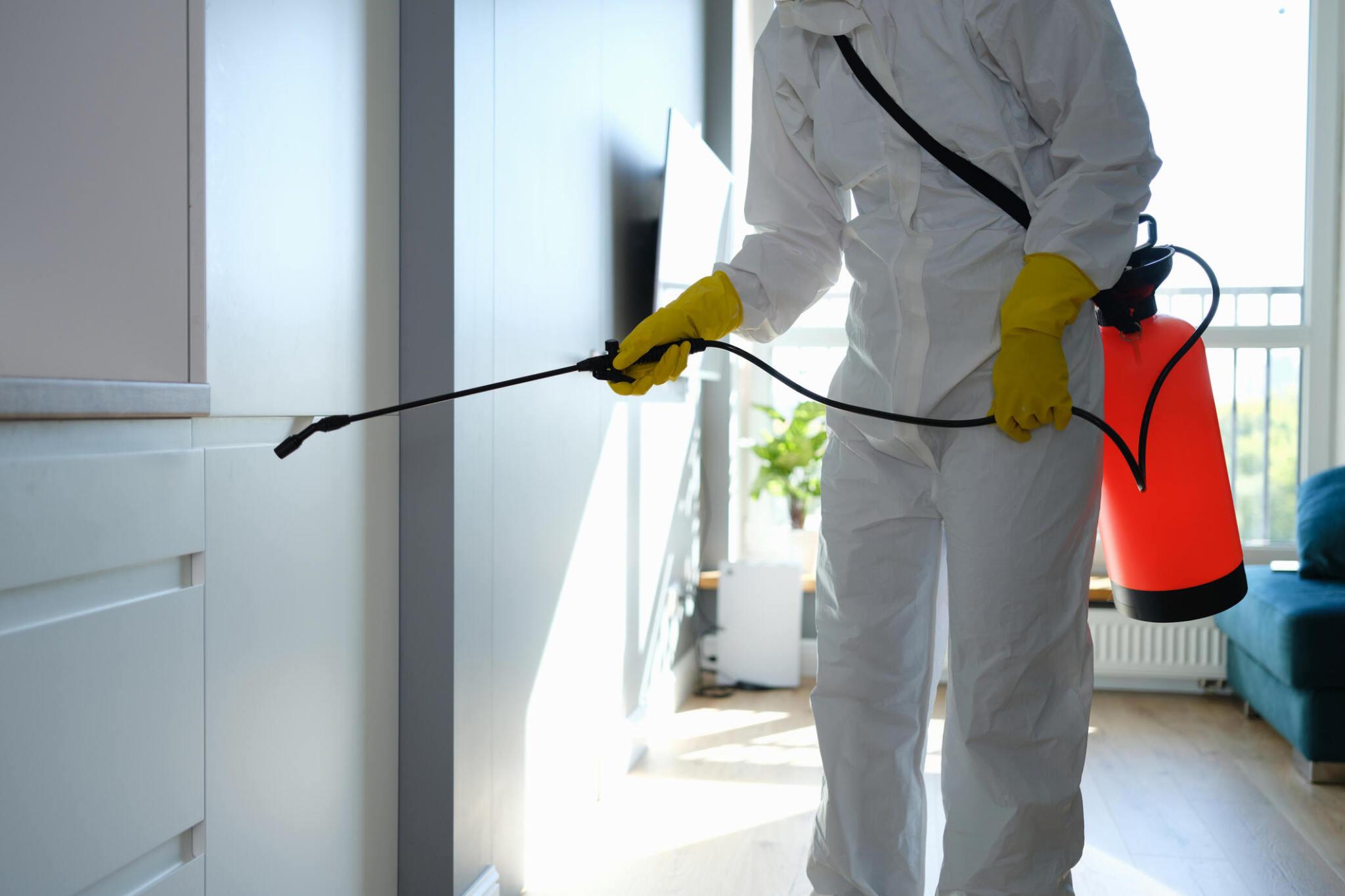
To mitigate the chances of flying ants invading your home during the summer, there are several preventive measures you can take. Seal cracks and crevices in your home's exterior, eliminate sources of excess moisture, and ensure proper waste management to discourage ant colonies from establishing themselves.
The invasion of flying ants into your home during the summer is a natural occurrence rooted in the intricate life cycle of these fascinating insects. Understanding the factors that attract flying ants to your home is the first step towards effective prevention. Homeowners can take proactive measures to safeguard their homes by sealing entry points, addressing moisture issues, and maintaining proper waste management.
As you embark on the journey of coexisting with nature during the summer months, consider these winged visitors not as unwelcome pests, but as part of the intricate tapestry of the ecosystem. By respecting the natural tendencies of flying ants and implementing preventive measures, you can create a harmonious living environment that embraces the beauty of the outdoors without compromising the comfort of your home. In essence, the dance of flying ants in the summer sky is a testament to the resilience and adaptability of the natural world. As we navigate the ebb and flow of seasonal changes, let us appreciate the intricate balance of life, even when it manifests in unexpected ways within the walls of our homes.