
You can transform your home into the space you’ve always dreamed about, but it takes a lot of careful consideration to make that happen. If you have a renovation project coming along, it might be the right time to make that facelift worth the funds put into it. A successful house renovation uses a multipronged approach, but you must consult expert help to make that happen.
Table of Contents
The fact that American homeowners spent $363 billion on renovations makes it essential to equip yourself with the right information on what to do for a successful renovation without breaking the bank. Below are six essential tips to help you achieve that.
1. Define your goals and budget

What is your vision for the house renovation, and how much will you commit to it? For instance, some homeowners renovate to increase functionality, while others focus on increasing property value. Others embark on renovation projects due to a growing family requiring more space. Goals and budget are realistic issues to consider before the experts start breaking down the walls. These factors will guide your decisions throughout the renovation project.
A budget is necessary, but more importantly, it must align with your goals. For example, the type of renovation determines how much will be spent. However, remember that a budget is not only about having a fixed amount for the project. Instead, set aside another 10 - 20% of the entire funds to take care of unexpected renovation expenses. Material prices may increase during the project timeline and will likely impact the renovation if these adjustments are not made.
2. Hire the right team
Homeowners who handle their renovation have some building and engineering experience. It will, however, be risky to do the same if you lack the needed experience to embark on an intensive project like this. You will need an experienced, licensed, and highly recommended contractor or architect to be part of the team.
It is easy to assume that a highly recommended building contractor is expensive, so you’d rather go for someone cheaper. However, it is in your interest to know that an experienced building contractor will save you thousands of dollars in the long term. Cheap is not always the best option, especially when one of the biggest investments you’ll ever make is concerned. Renovation projects are complex and challenging, especially when dealing with an old house. However, a highly skilled team can navigate these difficulties to keep the project within schedule.
3. Consider fixtures to maintain or replace
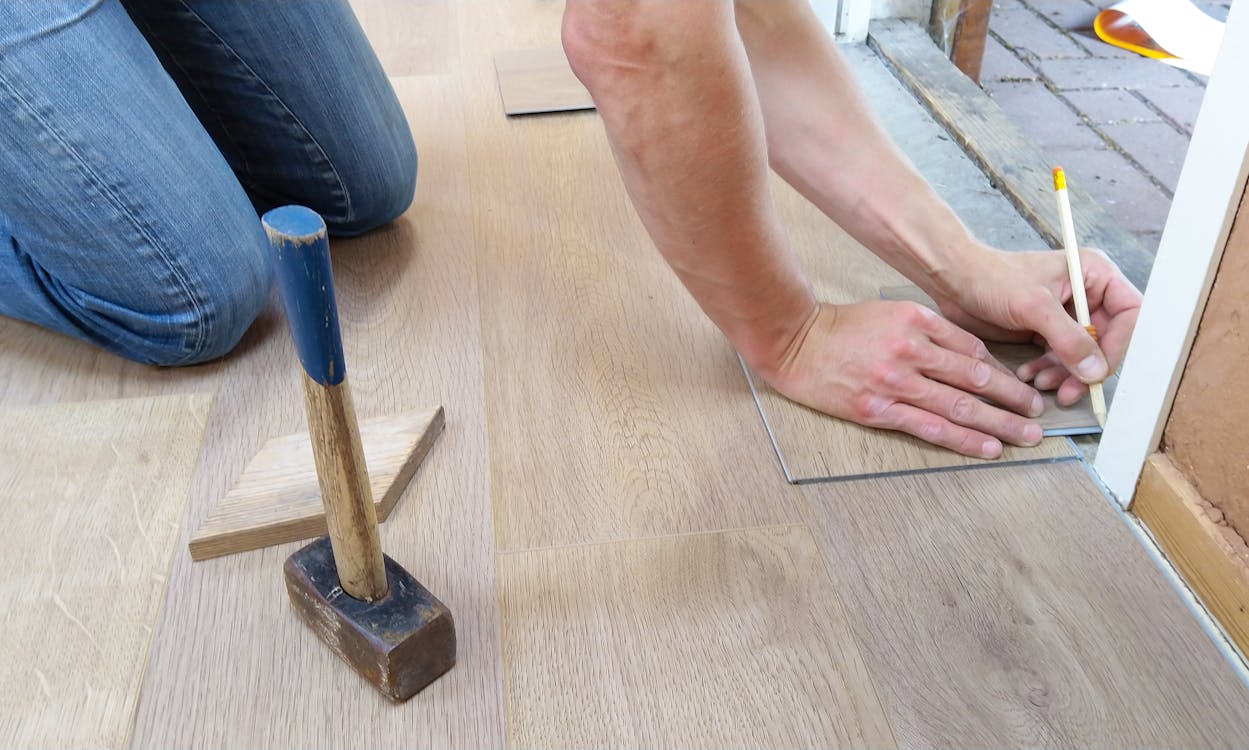
Not everything in the house should be scrapped during a home renovation because they might be useful. Assess the condition of existing fixtures and decide whether they can be recycled or maintained in their original state. Fixtures add to the overall functionality and aesthetics of your home, so make it a point to make them count. Some might need a lick of new paint, while others must be changed altogether. For example, you might want to consider patio door replacement if your old one no longer serves the purpose.
Maintaining your old fixtures is a cost-cutting measure, and you’ll be glad you did. The average cost of a single home renovation comes to $22,000, so it’s best to do everything you can to cut needless expenses. However, avoid cutting corners during your renovation project because that can cost you more than planned. For example, if the windows are in bad shape, it would be pointless to maintain them as part of your cost-cutting measures. Problematic windows are major causes of your home’s high energy bills at different times of the year. You’re better off recycling old windows to create wall art or picture frames.
4. Choose quality materials
Quality building materials often cost more upfront, but they are worth the investment in the long run. They ensure safety and security while reducing health risks for occupants and builders. Consider something like oak, the most popular wood used in construction, especially for building structural components. Oak is more expensive than other wood types but is preferred because they are strong, durable, and highly resistant to decay when treated. Pinewood, on the other hand, has lower durability and strength; however, people prefer them because they are cheaper. This type of wood is best used for furniture and interior applications rather than using them as structural components for the house. Why invest in something cheap when it poses more problems in the short term? A house is one of the biggest investments people will ever make, so never gamble with quality building materials.
5. Plan for the unexpected and incorporate it into timelines
No matter how meticulous your renovation plan is, you can never foolproof it from unexpected circumstances. That makes having a contingency plan important and necessary. Although a part of this has been discussed in budget planning, this point looks at other areas. For example, project delays may be due to drastic weather patterns or a change in project design. Usually, these challenges halt the progress and completion of the house renovation.
The chances of finding something unexpected are high when dealing with an old house. For example, until July 12, 1989, asbestos was a crucial building material in homes nationwide. The early 90s through to the 2000s saw a complete removal of asbestos in building materials, but there is still cause for concern for old houses. You may need expert help to remove this hazardous material from your home if detected. By being proactive and adaptable, you will not be thrown off by some of these unexpected circumstances.
6. Make environmental considerations
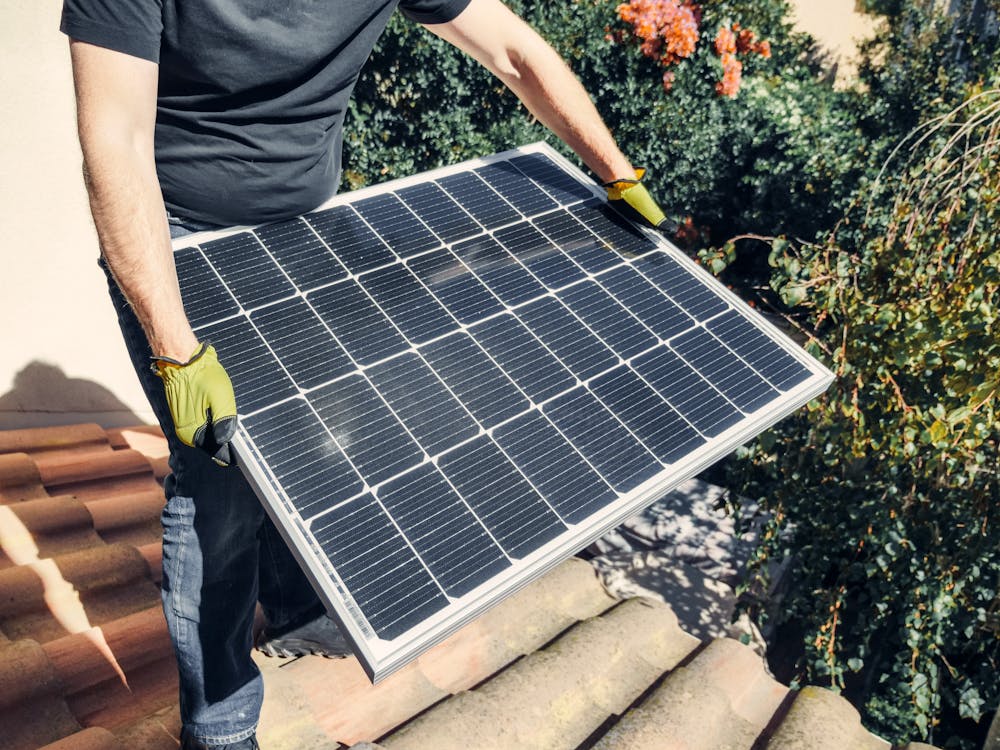
Sustainability has become a buzzword worldwide, and there is every reason to make that reflect in your house renovation. Start by choosing eco-friendly materials such as recycled glass, reclaimed wood, or low-VOC paint. Environmentally friendly materials are safe for your health because they release fewer to no harmful chemicals into the atmosphere.
Environmental considerations can also improve your home’s energy efficiency. Homeowners who have done this say it significantly cut their energy bills over a period. Install energy-efficient windows and doors if your current ones lack this feature. Another vital environmental consideration is to task the contractor with a waste management plan. Doing this reduces waste disposal costs and helps take some pressure off landfill sites.
