Although the average lifespan of a house is between 50 and 100 years, that's no guarantee in most cases. Several factors can cut short a building’s lifespan, even if it’s a new construction. A poor foundation, natural disasters, poor maintenance, a weak design, and low-quality construction materials can affect a building’s structural integrity and make it uninhabitable in a short period. Your property is a massive financial investment, and it’s important to ensure that it stands the test of time and continues to give you the cover, shelter, and comfort you need. Here are some easy ways to extend your property’s lifespan.
Avoid planting trees too close to your property
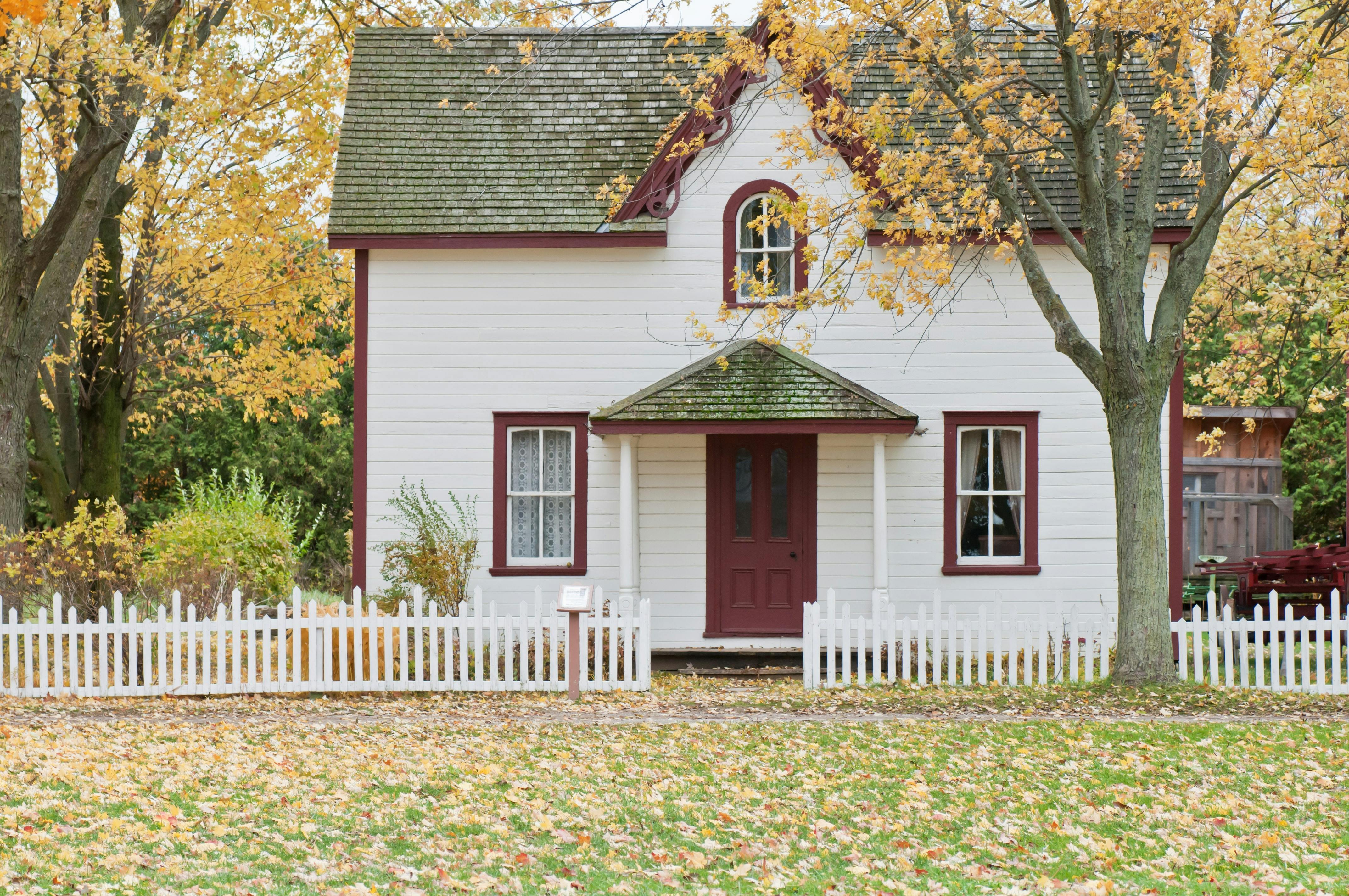
Having trees around your home has many benefits, but not when they’re too close to the building. Some trees have very aggressive roots, capable of cracking cement or concrete and penetrating underground plumbing work, damaging your home with time. To avoid this, please don’t plant trees too close to your property. A large tree species like an oak or elm should be at least 50 feet away from the property. The same applies to species with aggressive roots, like the Banyan tree.
Address a bad or weak foundation
A bad or weak foundation can cause structural damage to your home. In most cases, the first alarm bells are cracks in your walls, ceilings, and floors. Several factors can be responsible; one of them is poor foundation construction. Other things like poor drainage, bad soil conditions, overgrown tree roots, and poor building separation can also affect your property’s foundation. Because your entire building’s structural integrity rests on your foundation, this is not something you should take lightly. It’s important to take immediate action to address signs of a poor foundation when you notice them. You can work with experts like RS Foundations to repair any issues with your foundation in line with local repair laws.
Don’t overlook repairs

As a property owner, it’s important to make time to inspect every inch of your home or building. You’ll be surprised how most buildings usually have defects that need addressing before they affect the property’s structural integrity. Even worse, most of these defects go unnoticed in many cases. A yearly inspection should be enough to allow you to identify repair issues and fix them on time. A year should also be enough to help you save for each repair work. It’s also helpful to check your property during each season to be sure that seasonal changes haven’t done any damage.
Always look out for signs of water damage
Research shows that 85% of buildings have experienced water damage in the past, making it one of the most common challenges to a building’s structural integrity. Even something as small as a tiny leak can turn into a large one if it goes unchecked. Even worse, the walls of your building can soak up moisture over time, causing slow but sure damage. Musty smell, mold, water stains, and discoloration are some of the main tell-tales of water damage. So, always look out for these signs and address them immediately. Some of the most common causes of water damage include sewage backups, burst pipes, extreme weather, choked gutters, and damp or moist soil surrounding the building.
